10 Costly Mistakes to Avoid When Buying Your First House & Land Package in Australia
Buying your first house and land package is an exciting milestone. It’s the classic Australian dream—a brand new home, built just for you, in a growing community. But for first-home buyers, the journey can be filled with hidden traps and costly errors.
This guide is here to help you navigate the process with confidence. By understanding these common mistakes, you can save yourself thousands of dollars, avoid stressful delays, and ensure the home you build is the home you love.

The 10 Biggest Mistakes First-Home Buyers Make
Mistake #1: Not Understanding the True Costs
The advertised price is almost never the final price. Many first-time buyers get a shock when “site costs,” “covenants,” and other expenses start piling up.
- Why it’s a mistake: A low base price is used to draw you in, but it often excludes essential elements. This can blow your budget before construction even begins.
- How to avoid it:
- Demand a Fixed-Price Contract: Insist on a tender that includes a fixed price for site costs. This means the builder has done their due diligence on your block.
- Ask About Provisional Sums: A “provisional sum” is an estimated cost for an item (e.g., $10,000 for earthworks). If it costs more, you pay the difference. Minimise these in your contract.
- Factor in “Hidden” Essentials: Budget separately for things like fencing, landscaping, driveways, curtains, and letterboxes, which are often not included.
Mistake #2: Falling for the “Display Home Dream”
Display homes are professional masterpieces designed to make you fall in love. They are almost always packed with premium upgrades not included in the standard price.
- Why it’s a mistake: You sign a contract thinking you’re getting marble benchtops and high-end appliances, only to find out your standard inclusions are much more basic.
- How to avoid it:
- Get an Inclusions List: Request a detailed list of standard inclusions for the specific package you’re considering.
- Tour a Standard Home: Ask the builder if you can see a home they have built with only standard inclusions.
- Price Every Upgrade: While in the display home, ask the sales consultant, “Is this standard? If not, how much does this upgrade cost?”
Mistake #3: Not Getting Independent Legal Advice on the Contract
The building contract and land contract are complex legal documents written to protect the builder and developer. Signing without a professional review is a massive risk.
- Why it’s a mistake: You could be agreeing to unfair terms, unrealistic timelines, or clauses that allow for significant price increases.
- How to avoid it:
- Hire a Conveyancer or Solicitor: Engage a legal professional who specialises in property and construction law before you sign anything.
- Check the Timelines: Ensure the contract has clear, reasonable timeframes for construction and penalties for the builder if they cause significant delays (liquidated damages).
Mistake #4: Failing to Research the Builder’s Reputation & Financial Stability
Not all builders are created equal. A builder’s flashy marketing doesn’t guarantee quality work or that they’ll even be in business to finish your home.
- Why it’s a mistake: Choosing the wrong builder can lead to poor workmanship, endless defects, and in the worst-case scenario, an incomplete home if they go insolvent.
- How to avoid it:
- Check Licenses: Verify the builder’s license with your state’s building authority (e.g., QBCC in Queensland, VBA in Victoria).
- Read Online Reviews: Look at Google Reviews, ProductReview.com.au, and industry forums. Look for patterns in feedback.
- Ask for References: Speak to past clients and ask to see completed homes.
Mistake #5: Ignoring the Details of the Land
The block of land is just as important as the house itself. Its orientation, slope, and soil type can dramatically affect your build cost and lifestyle.
- Why it’s a mistake: A sloping block will require expensive retaining walls and extra earthworks. Poor soil might need costly foundational upgrades. Bad orientation means a dark, cold house in winter.
- How to avoid it:
- Get a Soil Test: Ensure a soil test is done before you finalise the contract. This determines the stability of the ground.
- Consider the Slope (Fall): Even a gentle slope can add thousands to your site costs.
- Check Orientation: Aim for a block that allows living areas to face north for maximum natural light and energy efficiency.
Mistake #6: Securing Finance Too Late
Many buyers find a package they love before they have formal finance pre-approval. This can lead to heartbreak and the loss of a deposit if the bank won’t lend them the full amount required.
- Why it’s a mistake: The final cost of a house and land package can be higher than anticipated. Without a solid pre-approval, you don’t have a realistic budget.
- How to avoid it:
- Speak to a Mortgage Broker: A broker can assess your borrowing power and find the right construction loan for your situation.
- Get Pre-Approval First: Have your finance conditionally approved before you start seriously shopping.
- Keep a Buffer: Always have a contingency fund of 5-10% of the build cost for unexpected expenses.
Mistake #7: Having Unrealistic Timeline Expectations
The sales consultant might promise a quick build, but the reality is often very different. Land registration, council approvals, and construction itself all take time.
- Why it’s a mistake: You might end your rental lease too early, leaving you with nowhere to live and the extra cost of temporary accommodation.
- How to avoid it:
- Ask About Land Registration: If the land isn’t registered, you can’t start building. Get a realistic date from the developer.
- Understand the Build Stages: A typical single-storey home build takes 6-9 months, and a double-storey can take 9-12 months, after the land is ready.
- Build in Delays: Factor in potential delays for weather, material shortages, and tradespeople.
Mistake #8: Choosing the Wrong Location
It’s easy to get caught up in the design of the house and forget about where it’s located.
- Why it’s a mistake: A beautiful home in a poorly planned area with no amenities, long commutes, or slow future growth can be a poor long-term investment.
- How to avoid it:
- Visit at Different Times: Go to the estate on a weekday evening and a weekend to check for traffic, noise, and the general atmosphere.
- Research Future Infrastructure: Check the local council’s plans for new schools, shops, parks, and public transport.
- Calculate Your Commute: Don’t just trust the brochure. Map your real-world commute to work during peak hour.
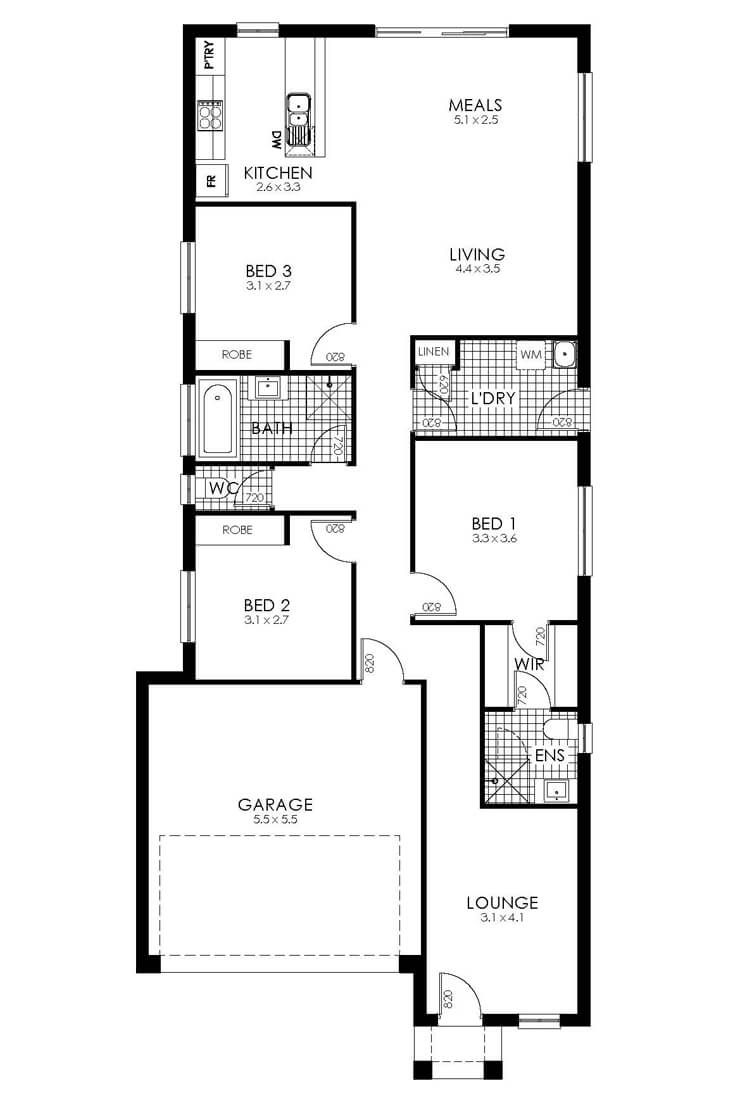
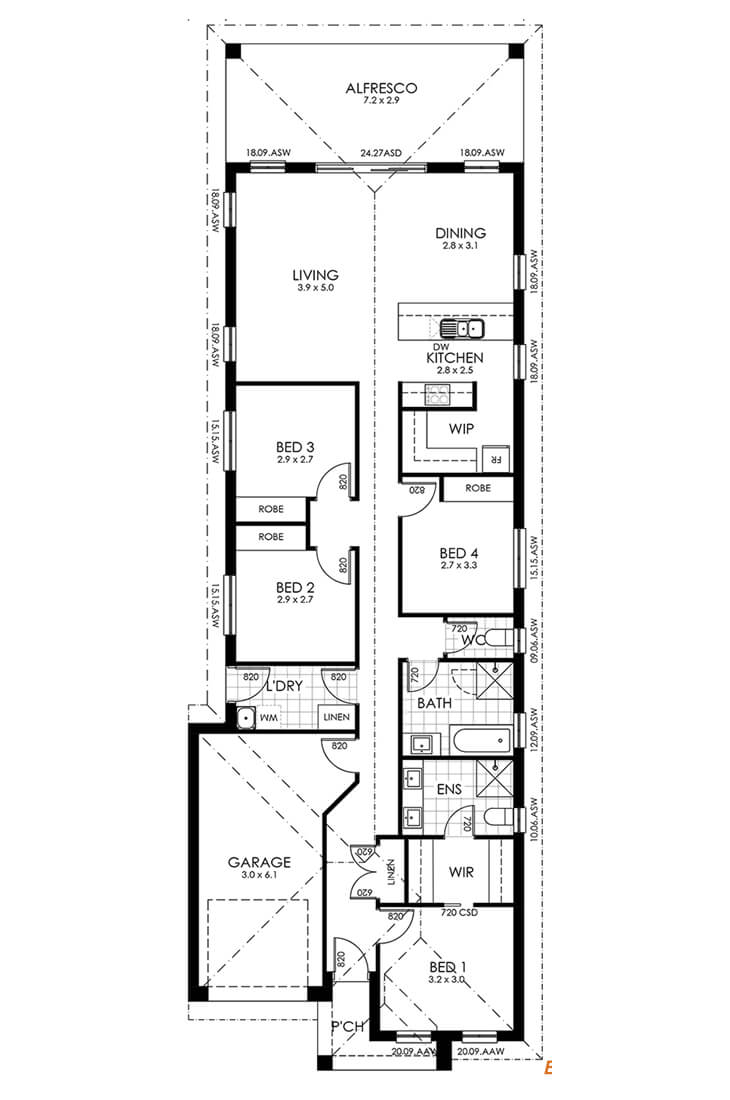
Mistake #9: Picking a Floor Plan That Doesn’t Suit Your Life
That trendy floor plan might look great now, but will it work for you in five or ten years?
- Why it’s a mistake: Making structural changes during construction is incredibly expensive. Choosing the wrong layout from the start can lead to long-term frustration.
- How to avoid it:
- Think About the Future: Do you plan on having kids? Working from home? Needing a guest room?
- Consider Furniture Placement: Mentally (or physically) map out where your existing furniture will go. Is the living room big enough for your couch?
- Prioritise Storage: New homes are notoriously short on storage. Look for plans with ample cupboard space, a walk-in pantry, and built-in robes.
Mistake #10: Poor Communication with Your Builder
Once the contract is signed, clear and regular communication is the key to a smooth build.
- Why it’s a mistake: A lack of communication leads to misunderstandings, mistakes, and stress. You should never feel like you’re in the dark about your own home.
- How to avoid it:
- Establish a Main Point of Contact: Know exactly who your Site Supervisor is and how best to contact them.
- Schedule Regular Updates: Agree on a schedule for updates, whether it’s a weekly phone call or email.
- Put Changes in Writing: If you request a variation or change, make sure it’s documented and signed off in writing to avoid disputes later.
Frequently Asked Questions (FAQ)
Why Choose HPG Homes?
- End-to-End Project Management: From planning to council approval, we take care of everything.
- Subdivision Expertise: We have the skills and experience to help you maximise the value of your land.
- Knockdown Rebuild Specialists: Love your location but want a new home? We make it happen.
With HPG Homes, you're not just building a house—you're creating a future. Let us help you turn your subdivision or knockdown rebuild vision into reality.